Barcelona
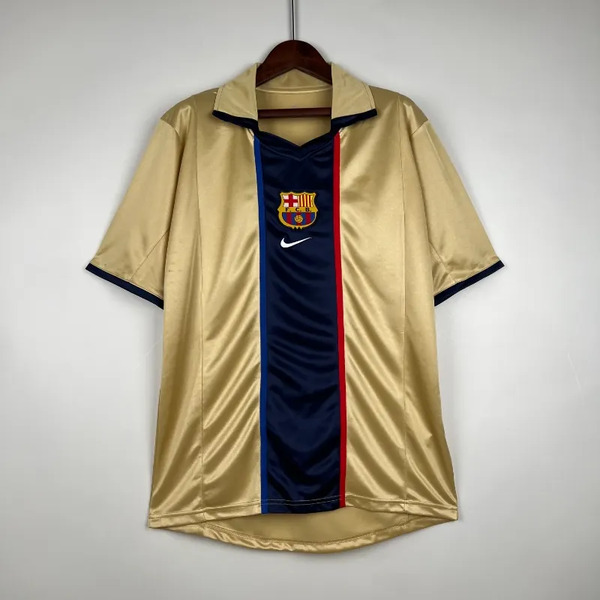
City Tracksuit 2002-
The City Tracksuit 2002 captures an era when football clubs began blending athletic wear with lifestyle fashion. This was a time when players were becoming global icons, and off-pitch style mattered almost as much as performance. Tracksuits like this weren’t just for training—they symbolized a growing connection between football culture and everyday streetwear, especially among younger fans who wanted to embody the club beyond matchdays.
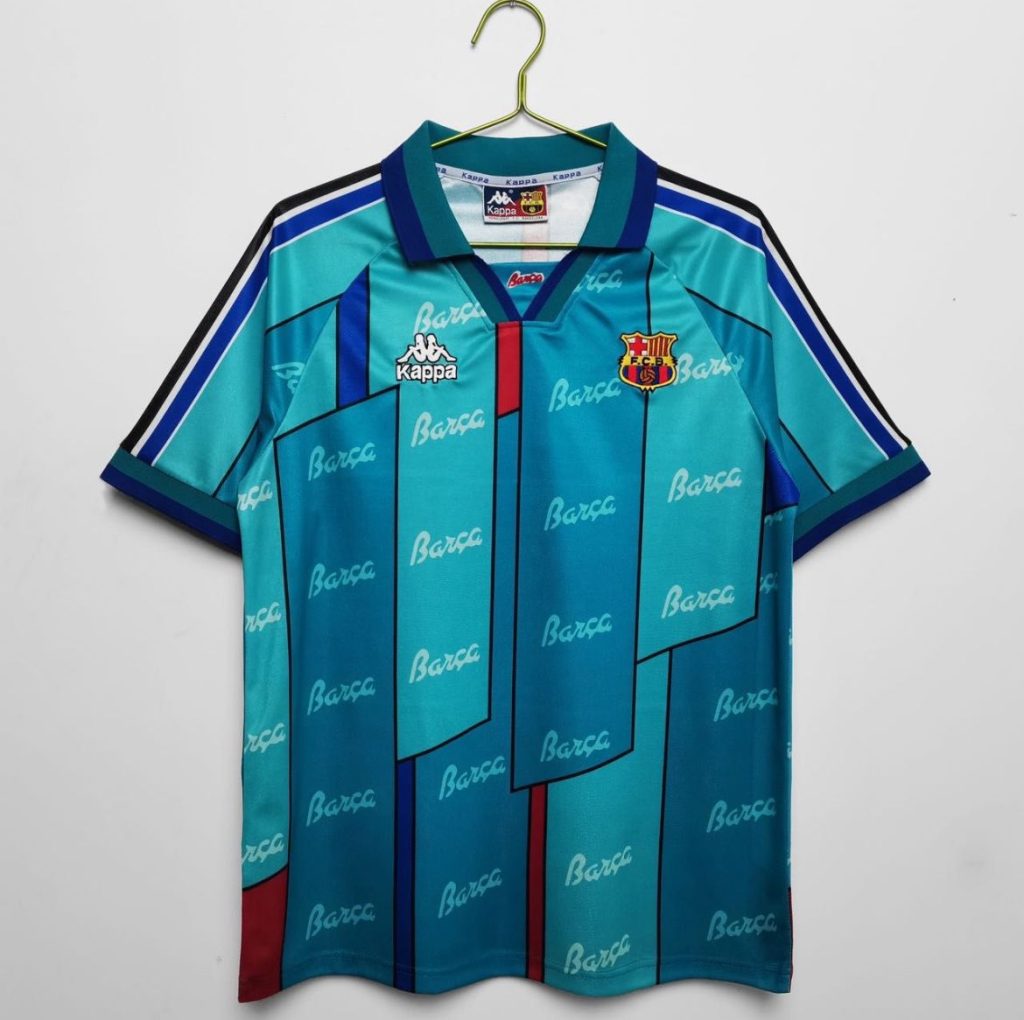
Away 1995-97 Kappa Jersey-
The Away 1995–97 Kappa Jersey stands out as a bold experiment in design and branding. During the mid-90s, manufacturers like Kappa pushed boundaries with tighter fits and daring patterns. This jersey reflects a transitional period in football kits, where tradition began to give way to more expressive, commercial aesthetics. It also aligns with a competitive era for Barcelona, making it a nostalgic artifact for fans who associate it with resilience and flair.
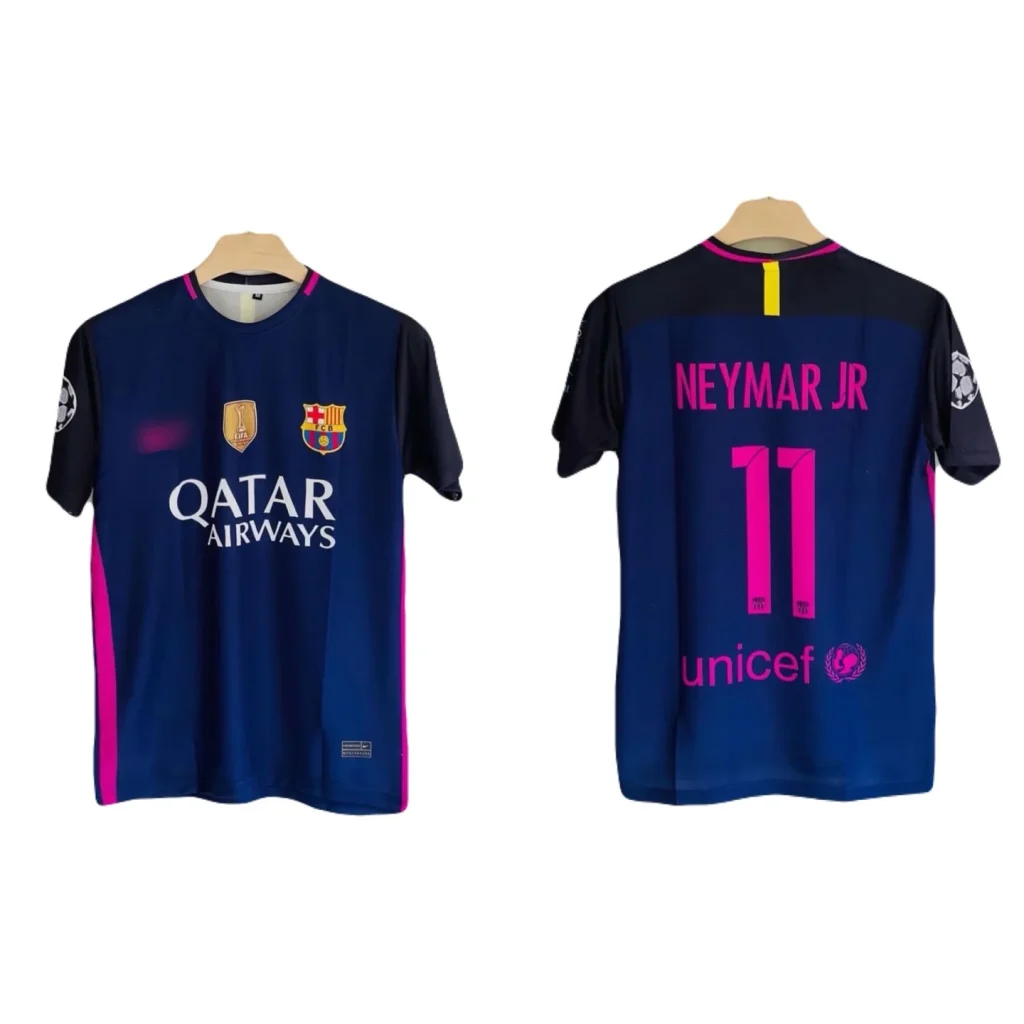
Away 2016-17 Retro-
The Away 2016–17 Retro piece represents the modern revival of classic aesthetics. By this time, clubs and brands had recognized the emotional power of nostalgia. Retro-inspired kits weren’t just about honoring the past—they were strategic, tapping into fans’ longing for iconic eras while still appealing to contemporary tastes. This jersey bridges generations, allowing newer supporters to connect with heritage while maintaining modern performance standards.
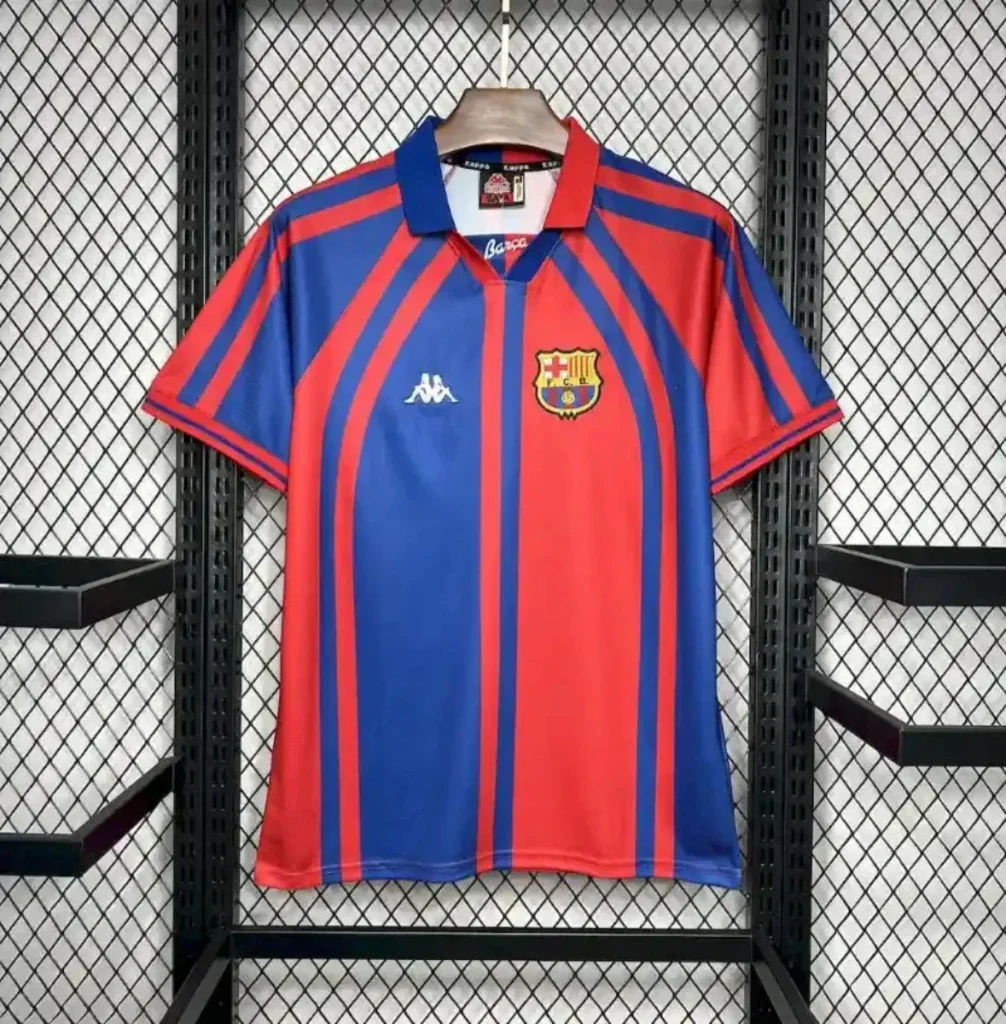
Away 1998-99 Centenary-
The Away 1998–99 Centenary Jersey holds deeper symbolic weight. Created to commemorate 100 years of the club’s existence, it embodies identity, pride, and legacy. Centenary kits often strip back excessive design elements in favor of elegance and meaning, and this one reflects that philosophy. It’s less about experimentation and more about storytelling—honoring a century of football, community, and evolution.
Together, these pieces illustrate how football apparel functions as a timeline. From experimentation and commercialization to nostalgia and heritage, each item contributes to a broader narrative where kits are not just uniforms, but cultural artifacts that carry emotion, memory, and identity across generations.